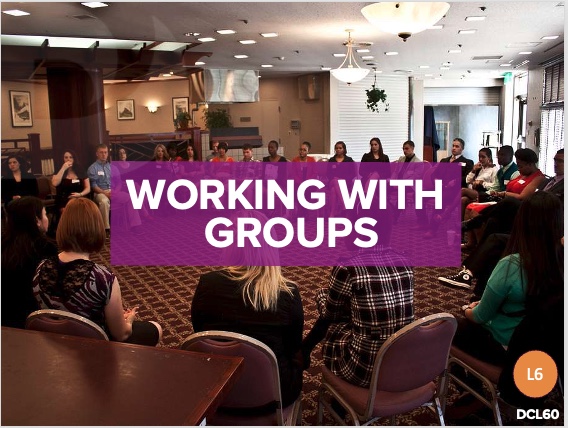
n this course, learners will identify the key principles and effective strategies necessary for leading groups and working with others in group settings. Integral to effective group dynamics is understanding the typical causes of conflicts within group settings. Learners will explore, consider and develop confidence with helpful approaches in dealing with these conflicts. Effective group dynamics and working together do not just happen but are dependent on purposeful and intentional planning together with strategic guidance in terms of roles members have. Learners will develop a range of approaches to maximise how a group works together to accomplish a stated purpose. They will gain insight into effective group dynamics, how to meet group members’ needs, the importance of planning and the ability to reflect critically on the outcomes of a planned group activity in order to grow their expertise. Within the course learners have a three week field-based placement with a specific focus on working with groups.
- Teacher: Audrey Smith
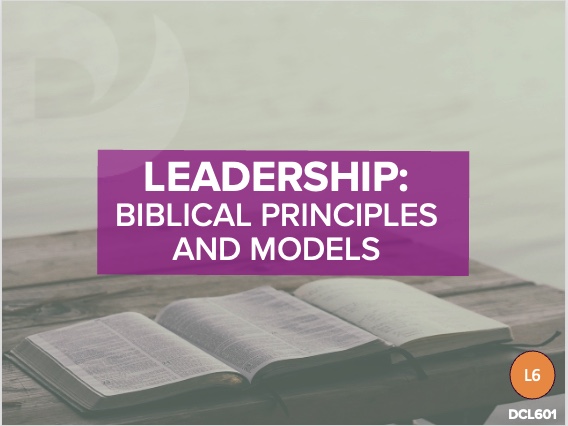
This course enables learners to reflect critically on the nature of leadership, focusing on principles and models of effective leadership. A particular focus for this course is exploring the implications for leadership of congregations and other faith-based organisations as social and religious communities. Learners will evaluate, review and respond to the pastoral, specialised and ethical responsibilities of leadership within defined ministry settings or workplace environments. Case studies will help learners understand the practical application of the topics covered. Learners will identify biblical principles for practice and articulate a personalised informed model of leadership for a nominated ministry setting.
- Teacher: Rosie Devery
- Teacher: Jackie Millar
- Teacher: Averil Naumai
- Teacher: Audrey Smith
- Teacher: Jackie Millar
- Teacher: Bev Norsworthy
This course seeks to develop students’ skills in leading relationally by exploring the rich resources that exist in Christian theology, particularly the doctrine of the Trinity, for understanding human relationships and community. Learners will examine the deep, mutually interpenetrative relationships that exist between the persons of the Godhead and consider how this informs a Christian view of human community and, therefore, also of leadership. In many respects, Māori perspectives on community resonate deeply with biblical perspectives. Consequently, this course explores how our relationality may be enriched by a deepening understanding of te ao Māori. In this course students will develop practical skills in leading relationally, including those required for managing conflict. As such, some learning activities will entail grappling with challenging scenarios that can arise when working with groups and formulating responses that are empowering, inclusive and ethical.
- Teacher: Jackie Millar
- Teacher: Rosie Devery
- Teacher: Jackie Millar
- Teacher: Bev Norsworthy
- Teacher: Audrey Smith
This course recognises that the leader leads from within and, therefore, being self-aware is critical to effective leading. The course is focused on how the learner’s understanding of what it means to be imago Dei (identity), how they contribute to missio Dei in their context (call) and the role theological reflection has in increasing the likelihood of effective leading. The student’s own understanding of factors which influence a leader’s identify and sense of call will be enriched through undertaking a case study of a biblical leader and an interview with an inspirational Christian leader in their context.
- Teacher: Rosie Devery
- Teacher: Jackie Millar
- Teacher: Averil Naumai
- Teacher: Bev Norsworthy
n this course, learners will identify the key principles and effective strategies necessary for leading groups and working with others in group settings. Integral to effective group dynamics is understanding the typical causes of conflicts within group settings. Learners will explore, consider and develop confidence with helpful approaches in dealing with these conflicts. Effective group dynamics and working together do not just happen but are dependent on purposeful and intentional planning together with strategic guidance in terms of roles members have. Learners will develop a range of approaches to maximise how a group works together to accomplish a stated purpose. They will gain insight into effective group dynamics, how to meet group members’ needs, the importance of planning and the ability to reflect critically on the outcomes of a planned group activity in order to grow their expertise. Within the course learners have a three week field-based placement with a specific focus on working with groups.
- Teacher: Rosie Devery
- Teacher: Jackie Millar
- Teacher: Bev Norsworthy
- Teacher: Audrey Smith